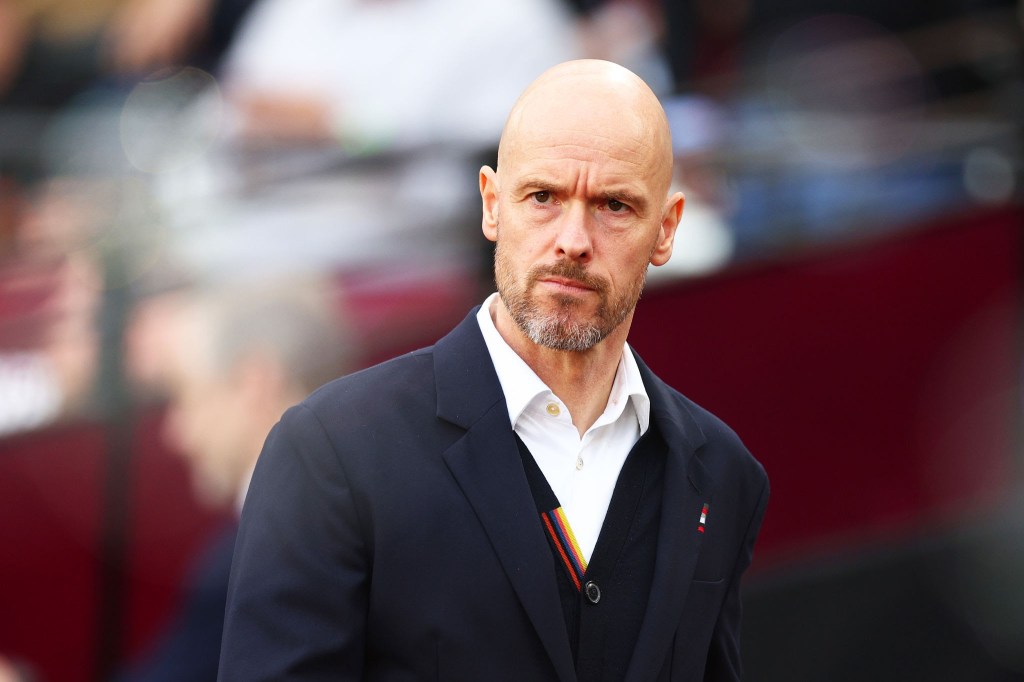
As a passionate football enthusiast, I’ve always been intrigued by the different tactical approaches managers adopt to guide their teams to success. Erik ten Hag, known for his successful stints at Ajax and now Manchester United, has always piqued my interest. From his famous 4-2-3-1 formation at Ajax to his evolving strategy at Manchester United, ten Hag’s tactical nuances are worth a deep dive.
The Ajax Era: Exploiting the 4-2-3-1 Formation
Ten Hag’s time at Ajax was characterized by a predominant use of the 4-2-3-1 formation, a modernized version of the Dutch total football. Ten Hag fused the traditional Dutch philosophy with a pragmatic modern approach.
The formation features two central defensive midfielders (CDMs), which allowed ten Hag to maintain stability in midfield while providing cover to the back four. Moreover, the CDMs helped in controlling the game tempo and initiating attacks from deep-lying areas.
The attacking midfielder in the ‘3’ line is crucial in this setup, functioning as a free-role playmaker. During his time at Ajax, ten Hag utilized Hakim Ziyech or Donny van de Beek in this role. They would drop deep or drift wide to exploit spaces, aiding in ball progression and creating goal-scoring opportunities.
The two wingers and the striker completed the attack. Ten Hag employed dynamic wingers who could cut inside, cross, or even switch flanks to disorient the opposition defense. The striker often dropped deep, dragging defenders with him, and creating space for wingers or the attacking midfielder to exploit.
Defensively, ten Hag implemented an aggressive pressing style, forcing opponents to make errors and capitalizing on them. The wide players would often press the opponent full-backs, pushing them into areas where Ajax had numerical superiority.
Manchester United Era: Tactical Evolution
Moving to Manchester United, ten Hag brought the essence of his 4-2-3-1 formation but was also open to adapting it based on the squad and the opposition. He often switches between 4-2-3-1, 4-3-3, and even a 3-5-2, depending on the match context, demonstrating a flexible approach.
His midfield duo/trio at United – typically comprised of players like Paul Pogba, Bruno Fernandes, and Fred – show the same defensive solidity and offensive freedom as witnessed at Ajax. The crucial difference being ten Hag’s willingness to utilize Pogba’s attacking prowess more freely, often encouraging him to push forward.
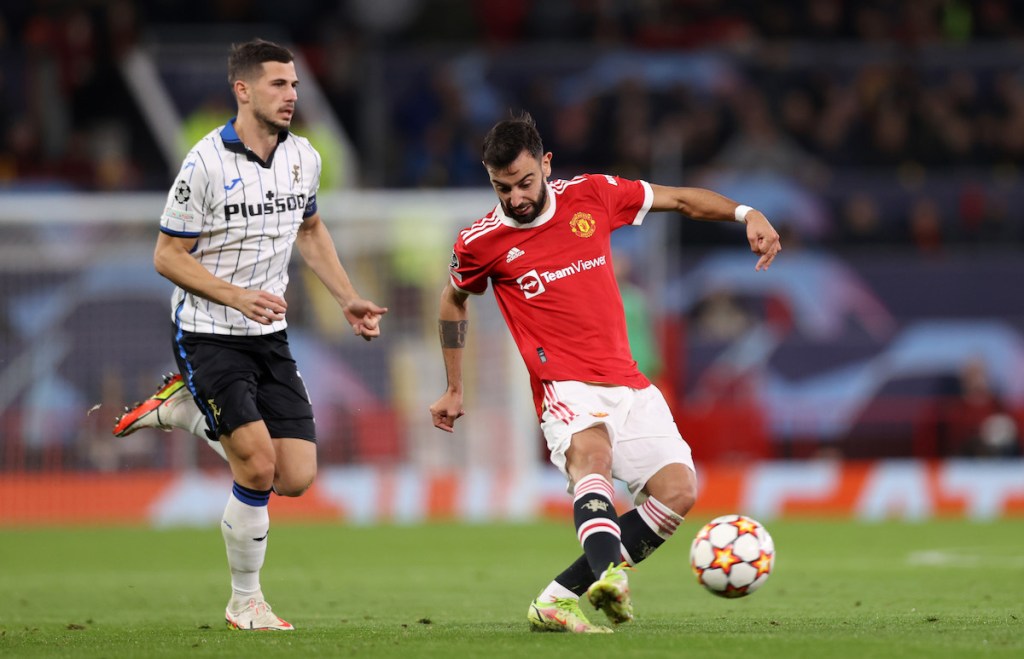
The role of wingers at Manchester United under ten Hag is dynamic. They’re expected to be versatile – capable of crossing, cutting inside, or even functioning as inside forwards. Marcus Rashford and Jadon Sancho perfectly fit this profile, contributing to both goals and assists.
Ten Hag’s approach to pressing at Manchester United is more controlled compared to Ajax, perhaps due to the demands of the English Premier League. While there is still an emphasis on winning the ball back quickly, there is more focus on strategic pressing and avoiding being caught out of position.
The most noticeable tactical shift at United is ten Hag’s use of full-backs. At Ajax, the full-backs primarily provided width in attack, but at United, they have a more balanced role. Aaron Wan-Bissaka and Luke Shaw are often seen making overlapping runs, but their primary duty remains defensive.
Conclusion
Erik ten Hag’s tactical nous and adaptability have been evident in his managerial career, both at Ajax and Manchester United. He has successfully married Dutch football philosophy with modern pragmatism and continues to innovate in response to his squad’s strengths and the demands of different leagues. As a keen follower of the beautiful game, it’s intriguing to watch ten Hag’s tactical evolution unfold and the subsequent impact on his teams.
 SocialFootball