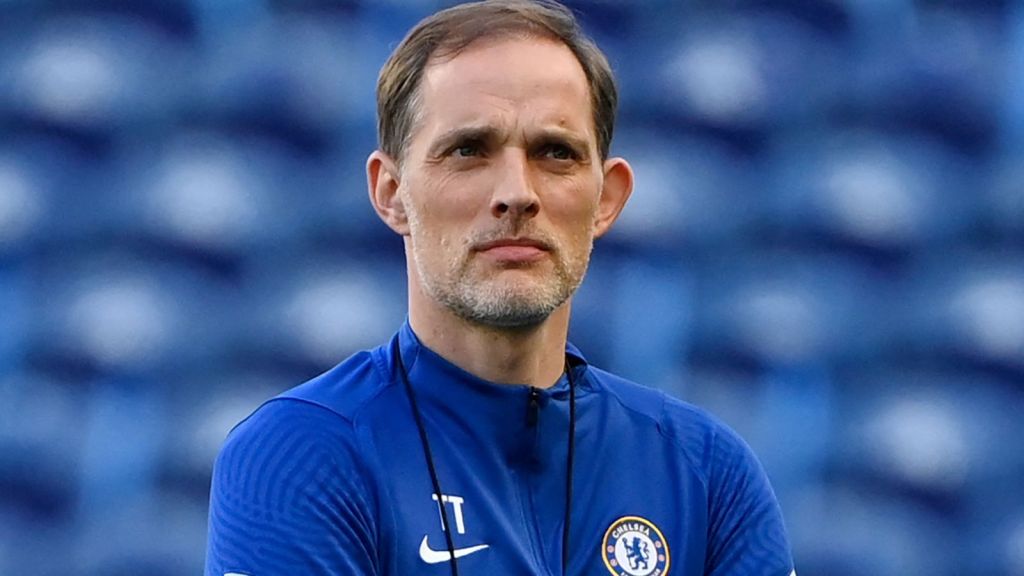
Currently the Head Coach of Bavarian Giants Bayern Munich, Thomas Tuchel is up there with the likes of tactical masterminds like Jurgen Klopp and Pep Guardiola. Although having a disappointing season with Bayern, getting knocked out of the Champions League and DFB Pokal, Tuchel’s Bayern managed to finish the season as Bundesliga champions, thanks to Musiala’s 89th-minute winner over Köln.
However, in this article, we throw it back to his time with the Blues where he managed to transform a mediocre mid-table team in the Premier League to European Champions by the end of the season.
Since Thomas Tuchel took over the reins of Chelsea FC in January 2021, his influence on the club has been remarkable. His squad’s performance has been a case study in effective tactics, inspiring a generation of young, budding tacticians. As a Chelsea fan who’s witnessed Tuchel’s spell at Chelsea from start to finish, I find Tuchel’s approach both interesting and enlightening.
Defense: The Backbone of Tuchel’s Philosophy
Tuchel employs a 3-4-2-1 formation, which emphasizes defense with a three-man backline and two wing-backs. This setup provides solidity in defense and flexibility going forward. The three center-backs serve to strengthen Chelsea’s spine, ensuring the defense is rarely left exposed. They can effectively manage most attacking threats, handle crosses, and absorb pressure from opponents.
Meanwhile, the wing-backs, normally a full-back’s responsibility, offer width and space. Under Tuchel, these players are required to run the entire flank, defending when required and contributing offensively as well. They provide crosses into the box, help recycle possession, and stretch the opponent’s defense, causing havoc for traditional full-backs who struggle to handle these threats.
The Midfield: Control and Creation
Central to Tuchel’s tactical setup is a double pivot in the midfield. This comprises two central midfielders who interchange roles as a defensive shield and a creative link to the forwards. Their primary duty is to control the game, dictate the tempo, and break up opponent play. The versatility of midfielders like N’Golo Kanté and Jorginho under Tuchel’s system has proven vital in achieving these objectives.
Furthermore, ahead of this double pivot, Tuchel deploys two attacking midfielders or “inside forwards.” These players possess the freedom to drift into wide positions, interchange roles, or even drop deep to collect the ball. Their main task is to create chances, either by combining with the wing-backs or linking up with the sole striker.
Attacking: Lone Striker and Verticality
In the final third, Tuchel opts for a lone striker in the center. The role of this striker isn’t merely to score goals, but to occupy the opponent’s center-backs, disrupt defensive structures, and bring others into play.
Verticality is a key principle in Tuchel’s attacking approach. Rather than relying on endless sideways passes, Tuchel encourages his team to progress the ball forward, be it through sharp, vertical passes or direct dribbles into dangerous areas. This approach is essential in breaking down stubborn, low-block defenses, which Premier League teams often employ.
Pressing: A Collective Effort
Tuchel is a firm believer in the idea of “collective pressing.” When Chelsea loses the ball, every player is expected to contribute to winning it back. Tuchel employs a spatial zonal marking system, where players press in their respective zones rather than man-mark. The goal is to force the opponents into mistakes, leading to turnovers and rapid counter-attacks.
Conclusion: Adaptable and Effective
What sets Tuchel apart is his tactical flexibility. Despite having a preferred setup, he isn’t afraid to make changes based on the opposition or game situation. This adaptability allows Chelsea to stay unpredictable and effective against various tactical approaches.
In summary, Thomas Tuchel’s tactical system at Chelsea can be described as a harmonious blend of disciplined defense, a well-controlled midfield, and a versatile attacking force, underlined by aggressive pressing and tactical adaptability. As a young football enthusiast, the in-depth understanding of such systems not only improves our grasp of the game but also instills a deeper appreciation for the tactical side of football.
 SocialFootball